Like fruits and vegetables, life isn’t always ideal. For you to be nourished, they don’t have to be the most costly or fresh. In actuality, maintaining good health doesn’t have to be expensive.
With rising food prices and increased awareness around health and sustainability, more people are looking for ways to buy organic without overspending.
The good news is that saving money on organic groceries does not require much budgeting or giving up favorite foods. Instead, it relies on smarter habits, strategic planning, and knowing where organic spending truly matters.
This guide breaks down proven methods on how to save money on organic groceries while maintaining high food quality. From prioritizing the right products to shopping seasonally and minimizing waste.
Let’s dive in
Understand Which Organic Foods Are Worth Paying For
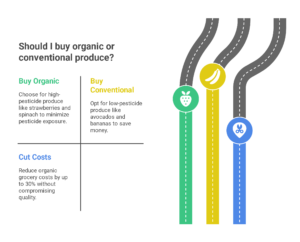
Not all organic foods provide the same level of benefit. Some items are more likely to contain pesticide residues, while others remain relatively clean even when grown conventionally.
Key organic produce tips:
- Prioritizing organic versions of produce known for high pesticide exposure
- Buying conventional options for low-risk fruits and vegetables
- Avoiding unnecessary organic purchases for items with minimal health differences
Produce with thin skins tends to absorb more pesticides, making organic versions more valuable. On the other hand, foods with thick peels often provide similar safety when purchased conventionally. This selective approach immediately lowers grocery bills without eliminating organic foods.
Understanding this distinction prevents overspending on organic labels that do not offer meaningful advantages.
Shop Seasonal Organic Produce for Lower Prices
Seasonality plays a major role in organic food pricing. When produce is grown locally and harvested in peak season, prices drop significantly due to increased supply and reduced transportation costs.
Benefits of buying seasonal organic foods include:
- Lower prices due to abundance
- Better taste and freshness
- Higher nutrient content
Farmers’ markets, local grocers, and produce stands often offer the best deals on in-season organic fruits and vegetables. Shopping seasonally also encourages meal planning around what is readily available, reducing reliance on expensive imported goods.
Freezing or preserving seasonal produce further extends savings by providing affordable organic options year-round.
Buy Organic Groceries in Bulk When Possible
Bulk purchasing is one of the most effective ways to reduce the cost and is an affordable organic grocery tip. Staples such as grains, beans, nuts, seeds, and dried fruits often cost significantly less per unit when bought in larger quantities. I also make sure to buy in bulk to keep for rainy days, and it works very well
Common organic bulk items include:
- Brown rice, oats, and quinoa
- Lentils, chickpeas, and dried beans
- Nuts, seeds, and whole spices
Bulk sections also reduce packaging costs, which are often reflected in higher shelf prices. Storing these items properly ensures freshness and prevents waste, making bulk buying both economical and practical.
This strategy is especially effective for households with consistent eating habits.
Choose Store Brands and Generic Organic Labels
Many shoppers overlook store-brand organic products, assuming name brands offer higher quality. In reality, store-brand organic items must meet the same standards as national brands.
Advantages of store-brand organic foods:
- Lower prices due to reduced marketing costs
- Comparable quality and sourcing standards
- Wide availability in major grocery chains
Organic milk, eggs, frozen vegetables, and pantry staples are often cheaper when purchased under a retailer’s own labels when shopping in places like Walmart. Checking ingredient lists and certification seals helps ensure quality without paying premium brand prices.
Plan Meals Around Affordable Organic Ingredients
Meal planning is essential for controlling grocery costs, especially when buying organic foods. Planning meals reduces impulse purchases and prevents food waste.
Effective meal planning strategies include:
- Building meals around a few versatile organic ingredients
- Reusing ingredients across multiple meals
- Cooking larger batches to cover multiple days
Meals based on organic grains, legumes, vegetables, and seasonal produce are typically more affordable than those centered on organic meats or specialty items. Thoughtful planning ensures that organic purchases are fully utilized rather than discarded.
This approach also simplifies grocery shopping and saves time throughout the week.
Reduce Organic Grocery Waste to Save More Money
Food waste is one of the biggest hidden expenses in grocery shopping. Organic food waste is especially costly due to higher upfront prices.
Ways to minimize waste include:
- Proper storage of fruits and vegetables
- Using leftovers creatively
- Freezing excess produce before spoilage
Clear labeling, rotation systems, and realistic meal planning help ensure food is consumed before expiration. Reducing waste effectively lowers the cost per meal and maximizes the value of organic groceries.
Compare Prices Across Stores and Online Platforms

Prices for organic groceries can vary widely between stores. Comparing options allows shoppers to identify the best deals without extra effort. Prioritize purchasing organic produce identified on the Environmental Working Group’s (EWG) “Dirty Dozen“.
Price comparison tips:
- Check weekly store flyers and digital catalogs
- Compare local stores with online grocery platforms
- Track price trends for frequently purchased items
Some stores consistently offer better prices on organic produce, while others excel in pantry staples. Shopping strategically across multiple stores can lead to significant long-term savings.
Limit Processed Organic Foods
Processed organic foods often carry premium prices without offering proportional health benefits. Items like organic snacks, desserts, and packaged meals can inflate grocery bills quickly.
Cost-saving alternatives include:
- Choosing whole organic ingredients over packaged foods
- Preparing snacks at home using organic staples
- Reserving processed organic items for occasional purchases
Whole foods provide better nutrition and more servings per dollar. Reducing reliance on processed options makes organic eating more affordable and healthier overall.
Consider Local Farms and Community-Supported Agriculture (CSA)
Local farms and CSA programs often provide organic produce at lower prices than retail stores. These programs connect consumers directly with farmers, eliminating middlemen.
Benefits of buying directly include:
- Lower costs per item
- Fresher produce
- Support for local agriculture
CSA boxes typically contain seasonal organic produce at a fixed weekly or monthly price, making budgeting easier. While variety may vary, overall value tends to be higher than traditional grocery shopping.
Conclusion
Saving money on organic groceries is not about sacrificing quality or health. It is about making informed decisions, shopping strategically, and building habits that maximize value. By prioritizing high-impact organic items, buying seasonal produce, planning meals, and reducing waste, organic food becomes accessible on almost any budget.
Organic eating does not require perfection. Small, consistent changes lead to meaningful savings over time while maintaining nutritional benefits and supporting sustainable food systems.
With the right approach, organic groceries can fit comfortably into a cost-conscious lifestyle.
Frequently Asked Questions (FAQs)
Is buying organic groceries really worth the extra cost?
Organic groceries reduce exposure to certain pesticides and support sustainable farming. Strategic purchasing makes them cost-effective for many households.
What organic foods should be prioritized on a budget?
Produce with higher pesticide exposure, such as leafy greens and berries, should be prioritized when buying organic.
Are store-brand organic foods lower quality?
No. Store-brand organic products must meet the same certification standards as national brands.
How can organic groceries be affordable for one person?
Meal planning, bulk buying, and reducing food waste make organic groceries affordable even for single shoppers.
Is it cheaper to buy organic produce at farmers’ markets?
In many cases, yes. Farmers’ markets often offer fresher organic produce at lower prices, especially during peak season.
Be the first to comment